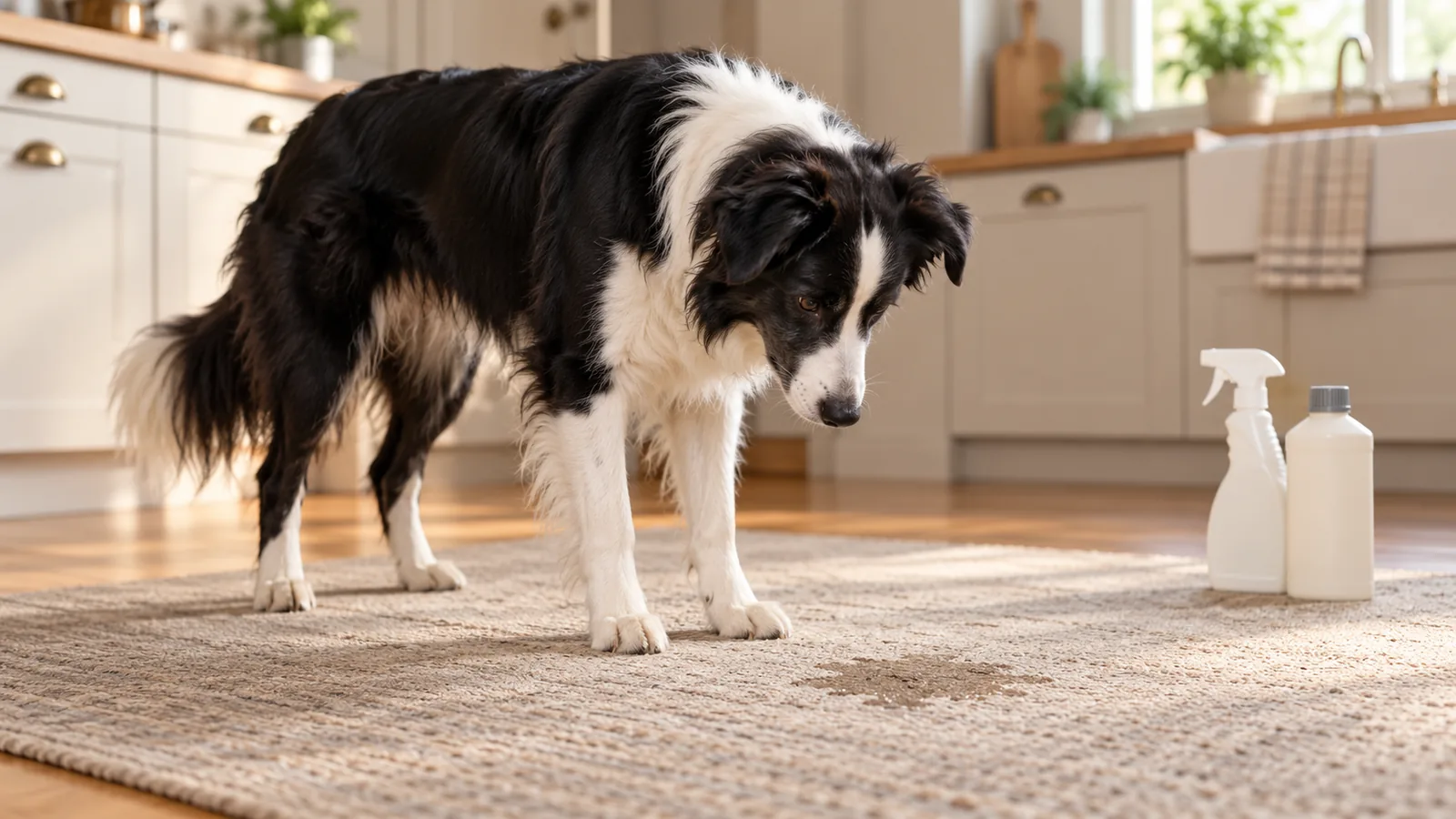
What finally stops chronic vomiting depends entirely on what is causing it. A food-responsive stomach, inflammatory bowel disease, thyroid or kidney disease, and a swallowed object lodged in the intestine can look identical from the puddle of puke on the kitchen floor, yet each one calls for a completely different fix. A panel of bloodwork is where most of these cases start, and for plenty of pets it is the whole answer, but some pets need a diet trial, imaging, or even surgery to find the cause. That is the decision waiting at the end of the workup: not whether something can be done, but which approach actually matches the problem.
Twin Lakes Veterinary Hospital in Orillia works a vomiting case in stages, since the answer doesn’t always turn up in a single visit. We start with bloodwork in our in-house lab, with digital X-rays and ultrasound here when a blood panel alone doesn’t find the answer. It is fair to be tired of tracking which meals stay down and which come back up, so when this has gone on for weeks, set up an appointment with us or come in for same-day care and we will start looking for the reason.
What Matters Most When the Vomiting Lasts Weeks
- A pet who vomits on and off for weeks, alongside weight loss, appetite changes, or diarrhea, has a medical problem rather than a bad afternoon, and notes on timing and appearance help us find it faster.
- A food trial resolves many of these cases, but only if nothing else goes in the bowl for its full length.
- Bloodwork and imaging come first, because kidney, liver, thyroid, and pancreatic disease all cause nausea that no stomach medication will fix.
- Tissue from an endoscopy or a surgical biopsy tells inflammatory bowel disease apart from lymphoma, and those two are treated completely differently.
Is Chronic Vomiting Just a Sensitive Stomach?
Sometimes it is: one episode after a fast meal or a stolen snack is normal life. But three or more episodes in a month is a pattern that deserves an appointment, even when your pet seems fine in between, and it usually comes with a second sign such as weight loss, a shifting appetite, or diarrhea that comes and goes.
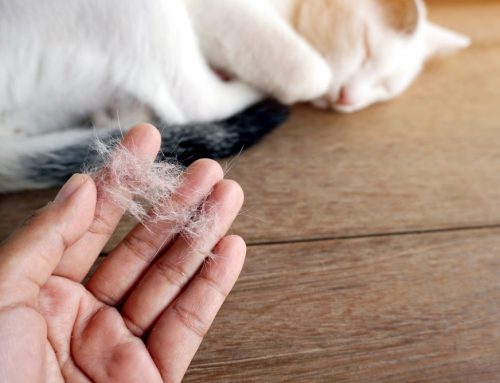
Frequent hairballs count too, since a cat bringing one up more than every month or two is telling you about the digestive tract rather than the coat. Half a kilogram off a 4.5 kg cat is a big change, and so is more drinking and urinating. We see senior pets sooner, since kidney, liver, and thyroid disease often begin with nausea. If any of that sounds familiar, book a visit.
When Is Chronic Vomiting an Emergency?
Any of these means your pet needs to be seen today rather than at the next open appointment:
- Blood in the vomit: bright red or dark and grainy, in any amount.
- A painful or swollen belly: your pet guards the abdomen, or it looks bloated.
- Retching with nothing coming up: repeated, unproductive heaving, which in dogs can mean a twisted stomach.
- Can't keep water down: a drink comes back within minutes.
- Weakness or pale gums: your pet is hard to wake or unsteady on their feet.
- A cat who won't eat: more than a day without food can tip a cat into liver trouble.
- Puppies, kittens, and seniors: the very young and very old dehydrate quickly.
We handle urgent care during our hours, including weekday evenings and Saturday mornings, so call us for same-day urgent care rather than waiting out a bad night.
What Clues Can You Collect Before the Appointment?
A simple record kept at home often narrows the list of causes before any test is run. For each episode, jot down the date, how long after a meal it happened, what came up, and whether your pet ate or played normally afterward. A quick photo on your phone before you clean up beats any description.
What Does the Vomit Itself Look Like?
The appearance of the vomit points us in different directions.
| What you see | What it can mean |
| Yellow or green liquid | Bile from a stomach that has sat empty, often overnight, or irritation lower in the gut |
| Food that looks barely chewed | Eating too fast, or food coming back up from the esophagus |
| Dark, grainy material like coffee grounds | Blood that has been partly digested, usually from an ulcer or a raw stomach lining |
| Bright red streaks or clots | Fresh bleeding, and a reason to call us the same day |
| White foam | Stomach acid and mucus with nothing else to bring up |
Does It Matter When the Vomiting Happens?
Timing, and how your pet acts around each episode, is just as telling:
- Yellow bile first thing in the morning: Bile before breakfast, with a good appetite afterward, often means bilious vomiting syndrome, from a stomach that has sat empty too long.
- A meal back up within minutes, appetite still good: This usually points to fast eating or stress. Food that slides up with no heaving at all may be regurgitation, and telling vomiting versus regurgitation apart matters because regurgitation points to the esophagus rather than the stomach.
- A meal back up while your pet seems unwell: Vomiting with a poor appetite, low energy, or a tender belly raises concern for a partial blockage.
- Vomiting through the day with more drinking and urinating: This pattern points toward an organ outside the gut, such as the kidneys, liver, or thyroid.
- Vomiting with weight loss and loose stool: This combination suggests inflammation or disease in the intestinal lining.
No single pattern is a diagnosis, but a week or two of notes tells us which tests to run first.
Could the Problem Be in the Food Bowl?
Food is one of the most common contributors to chronic vomiting in dogs and cats. A true food allergy involves the immune system while an intolerance does not, and neither one shows up on the label, so choosing the right food for a vomiting pet comes down to testing rather than reading the bag.
Switching brands every time symptoms flare feels productive, and it's a common reason a trigger ingredient stays hidden: two weeks on one bag, a week on another, and nothing left to compare. Instead, keep the food steady and log everything your pet eats for a week, including treats, chews, and flavored medications.
What About Garbage, Sidewalk Snacks, and Swallowed Toys?
Eating things they shouldn't is its own category: the raided bin, the mystery snack off the sidewalk, the goose droppings along the Orillia waterfront. Intestinal parasites, bacterial overgrowth, and inflammation in the gut from those things that shouldn’t be eaten can certainly cause chronic stomach upset.
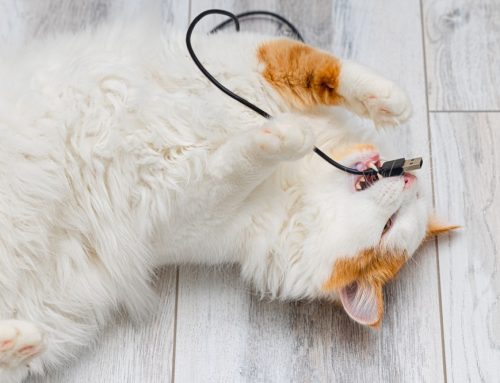
Not every swallowed object causes a dramatic blockage. Fabric, string, hair elastics, and chunks of small toys are the usual offenders, and a piece that only partly blocks the gut lets some food through and holds the rest back, so the vomiting drags on for weeks instead of arriving as one crisis. When imaging finds something lodged, we provide surgical removal to relieve the obstruction.
Is the Vomiting Coming From an Organ, Not the Stomach?
Plenty of chronic vomiting starts outside the stomach, which is why we check the organs first: nausea driven by kidney, liver, thyroid, or pancreatic disease will not settle with stomach medication no matter how long you give it.
| Systemic cause | How it tends to look |
| Chronic kidney disease | Weight loss, more drinking and urinating, common in senior cats |
| Liver or gall bladder disease | Poor appetite, yellow tinge to gums or eyes, vomiting in waves |
| Hyperthyroidism | A cat eating constantly, losing weight, restless at night |
| Pancreatitis | Repeated vomiting with belly pain, sometimes after a rich meal |
Pancreatitis can smolder for months with only occasional vomiting, especially in cats, but a severe flare with constant vomiting, a painful belly, and weakness is an emergency that needs to be seen the same day.
Is the Trouble in the Intestinal Lining?
When bloodwork clears the organs, the stomach and intestinal lining are next. Chronic inflammation, intestinal cancer, ulcers, and a narrowed stomach outlet all cause long-running vomiting from inside the gut itself, and several of them look almost identical until a tissue sample is examined.
- Inflammation: Inflammatory bowel disease is not one condition but a pattern of chronic inflammation in the intestinal lining, and the cells involved change which medication brings relief.
- Cancers: Intestinal lymphoma, especially in cats, can mimic IBD right down to the ultrasound images. Gastric cancer is less common and tends to affect older dogs.
- Acid damage: Gastric ulcers bring up dark, digested blood, sometimes after a long course of anti-inflammatory medication.
- Structural problems: Pyloric stenosis narrows the stomach's exit, so meals come back instead of moving on.
Could Stress or a Gulped Meal Be Behind It?
Stress and fast eating can both bring a meal back up, and neither one needs medication to improve. Because they can look like disease from the outside, we rule out medical causes first, and the fix usually happens at home.
Fear, anxiety, and stress affect the gut in both species. Cats seem to show more of this than dogs do: a move, a new baby, a cat on the other side of the patio door, or quiet friction between housemates can all produce weeks of vomiting with nothing wrong on paper, and hiding, overgrooming, or a change in where your cat spends their day are often the first behavior changes you'll notice.
A dog or cat who inhales dinner in seconds can bring it back up nearly whole a few minutes later, and food that reappears almost unchanged usually points to speed rather than disease. Interactive feeders stretch a fast meal into several minutes of work, which is often all it takes to keep food down. In multi-pet homes, feeding pets in separate rooms and offering smaller portions more often can finish the job.
What Tests Does My Pet Need First?
A vomiting workup begins with your notes, your pet's history, and a physical exam. Baseline testing comes next and checks every organ that can cause nausea, which clears the serious causes first and tells us whether a food trial or deeper testing is the right next step.
- Stool testing: Rules out parasites and infections that imitate chronic digestive disease.
- Blood and urine testing: Bloodwork checks kidney, liver, thyroid, and pancreatic values, and urinalysis measures how well the kidneys are concentrating urine and whether protein is slipping through where it doesn't belong.
- X-rays, sometimes with barium: Show organ shape and gas patterns, and a barium series follows a liquid through the tract to catch a partial blockage.
- Ultrasound: Measures intestinal wall thickness and shows the lymph nodes and pancreas, none of which an X-ray resolves well.
New numbers also mean more when there's something to compare them against, so results from past wellness visits help: a kidney value drifting upward inside the normal range tells us something a single result can't.
Will the Right Food Fix It?
For many chronic vomiters the food is both the test and the treatment, which is why a diet trial comes next when baseline testing hasn't named a cause. We pick one prescription food, nothing else goes in the bowl, and the vomiting either settles or it doesn't.
How Strict Does a Food Trial Have to Be?
A trial has to hold for its full eight to twelve weeks, because a single flavored chew or a mouthful from the other pet's dish can undo the whole test. Over-the-counter limited ingredient bags aren't a substitute, since shared production lines leave traces of other proteins behind even when the label reads clean. Everyone in the house follows the same rules, including whoever slips toast crusts under the table.
Which Prescription Food Will My Pet Get?
A novel protein formula uses something your pet has never eaten, so the immune system has nothing to recognize. A hydrolyzed protein formula breaks protein into fragments too small to provoke a reaction at all. Which one we pick depends on what your pet has already eaten over the years.
When Does a Vomiting Pet Need Endoscopy or Surgery?
If bloodwork, imaging, and a full food trial haven't explained the vomiting, the next step is to look at the lining of the stomach and intestine directly and take tissue samples. Endoscopy and exploratory surgery both do that, and the choice turns on how deep a sample has to go.
How Does an Endoscopy Work for a Vomiting Pet?
Under anesthesia, endoscopy guides a thin flexible camera into the stomach and upper intestine so the lining can be seen and small tissue samples collected along the way. There's no incision to heal, and most pets are back to themselves within a day. It fits best when earlier testing came back normal and more information is needed for the answer.
When Is Surgery the Better Option?
Exploratory surgery gives the surgeon a direct view of every abdominal organ and full-thickness samples from several spots along the intestine, reaching disease deeper than a scope can reach. We recommend it when imaging has already found something abnormal, when a mass or a blockage has to come out in the same procedure, or when only deep tissue can answer the question. Abdominal surgery means a longer recovery than a scope, so we talk it through with you rather than treating it as the default.
What Do the Tissue Samples Change About Treatment?
Tissue read by a pathologist is how inflammatory bowel disease gets told apart from intestinal lymphoma, and both of those from infections and other cancers in the gut. The cell type is what predicts which medication is likely to help, so that read turns a reasonable guess into a plan.
What Treats Chronic Vomiting Once We Know the Cause?
What finally stops the vomiting is treating what started it, whether that's a diet, an immune-calming medication, or care for an organ problem. Anti-nausea medication keeps your pet comfortable while that treatment works, but it doesn't stand in for any of it.
- Food-responsive vomiting: Stay with the food that worked, hold one consistent rule about treats and table food, plan ahead for holidays and visiting relatives, and check the ingredient panel now and then, since manufacturers reformulate without warning.
- Inflammatory bowel disease: Usually a combination of a medication that calms the immune system, most often a steroid such as prednisone, and a diet chosen to ask less of an irritated gut. Response varies, so our veterinarians adjust the dose and recheck.
- Organ disease: When kidney, liver, thyroid, or pancreatic disease is driving the nausea, stabilizing that condition is what settles the stomach.
Keep your notes going after treatment starts. A weekly count of episodes and a weight check at each recheck tell us whether the plan is working or needs adjusting.
What Families Ask Us About Chronic Vomiting
My dog only vomits yellow bile in the morning. Does that need treatment?
That pattern often points to bilious vomiting syndrome, where bile backs into an empty stomach overnight and irritates the lining. A snack before bed or an earlier breakfast resolves a good share of these, and medication helps when timing alone doesn't. An exam still comes first, because early kidney disease and a partial blockage can produce the same morning bile.
Will my pet have to stay on a special diet forever?
Many pets do stay on the diet long term, and that is better news than it sounds: if a trial resolved the vomiting, the food is the treatment, and returning to the old bag tends to bring the symptoms back with it. Some patients can widen the menu later under supervision, adding one protein at a time, while others do best staying put. Refills come through our online store so the food doesn't run out between visits.
Chronic Vomiting Is Easier to Sort Out Early
Starting sooner means fewer weeks of guessing and catches conditions before they get harder to treat. Weeks of vomiting wear on everyone, but most of these pets do get better once we know what we're treating, so bring your notes, weights, and photos. If the vomiting has become a pattern at your house, request an appointment with Twin Lakes Veterinary Hospital in Orillia. If you aren't sure whether what you're seeing needs a visit, reach out and we'll help you decide.